
The Role of Nutrition in Preventing Dental Problems
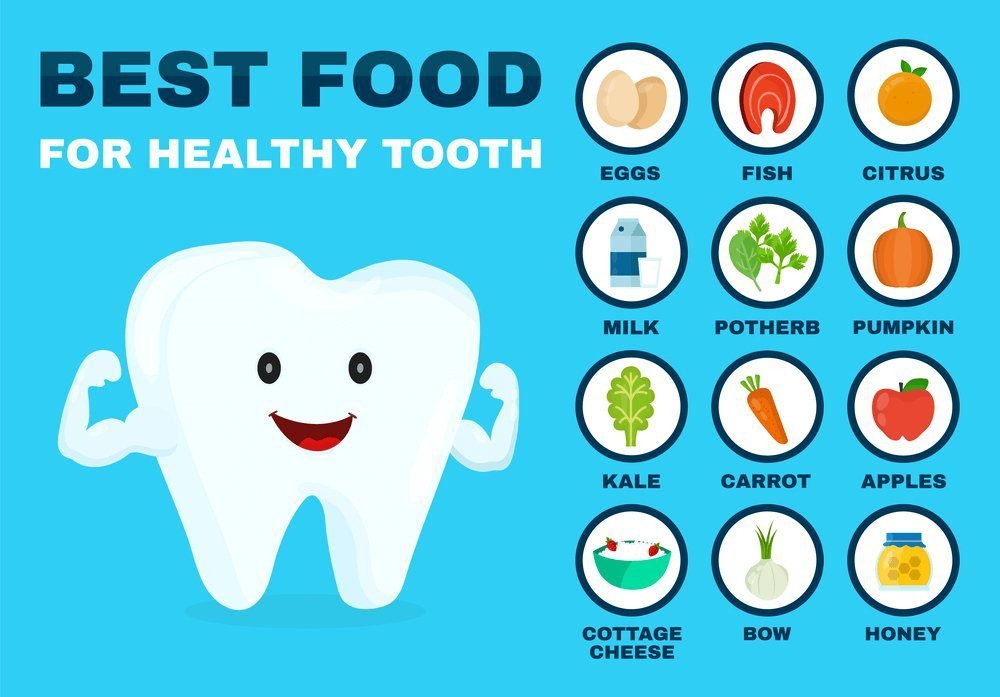
The Role of Nutrition in Preventing Dental Problems Good oral health is not achieved by brushing and flossing alone. What we eat every day plays a major role in maintaining strong teeth, healthy gums, fresh breath, and overall oral wellness. Nutrition directly influences the development, protection, and repair of oral tissues. A balanced diet can significantly reduce the risk of dental problems such as tooth decay, gum disease, enamel erosion, mouth ulcers, and even bad breath. In today’s fast-paced lifestyle, frequent snacking, sugary beverages, processed foods, and nutritional deficiencies have become common contributors to oral diseases. Understanding the relationship between nutrition and dental health helps individuals make smarter food choices that protect their smiles for life. At Lalitha Smile Clinic, we strongly believe that preventive dentistry begins not only in the dental chair but also in the kitchen. How Nutrition Affects Oral Health The mouth is the entry point of the digestive system, and the foods we consume constantly interact with the teeth and gums. Nutrients help maintain the integrity of oral tissues, while unhealthy dietary habits can promote bacterial growth and acid production. Poor Nutrition May Lead To: Tooth decay (dental caries) Gum inflammation and bleeding Delayed healing after dental procedures Weak enamel Increased oral infections Dry mouth Bone loss around teeth Mouth ulcers and burning sensations On the other hand, a nutrient-rich diet strengthens the body’s natural defense mechanisms and supports oral tissue repair. Important Nutrients for Healthy Teeth and Gums 1. Calcium – The Foundation of Strong Teeth Calcium is essential for maintaining strong teeth and jaw bones. Teeth continuously lose and regain minerals through a process called demineralization and remineralization. Adequate calcium intake supports enamel strength and helps prevent tooth decay. Best Sources of Calcium Milk Curd (Yogurt) Cheese Paneer Almonds Sesame seeds Ragi Green leafy vegetables Calcium Deficiency May Increase The Risk Of: Weak enamel Tooth sensitivity Bone loss around teeth Loose teeth in severe cases 2. Vitamin D – The Calcium Absorber Vitamin D helps the body absorb calcium efficiently. Without adequate Vitamin D, even a calcium-rich diet may not effectively strengthen teeth and bones. Sources of Vitamin D Early morning sunlight exposure Egg yolk Fatty fish Fortified foods Supplements (if prescribed) Low Vitamin D Levels Have Been Associated With: Delayed tooth eruption in children Increased cavities Periodontal disease Poor healing after dental procedures 3. Vitamin C – Essential for Healthy Gums Vitamin C plays a major role in collagen formation and gum tissue repair. Deficiency may lead to swollen, bleeding gums and poor wound healing. Foods Rich in Vitamin C Oranges Lemons Amla Guava Strawberries Bell peppers Tomatoes Vitamin C Helps: Reduce gum inflammation Support healing after scaling or surgery Improve immune response against oral infections 4. Phosphorus – Protecting Tooth Structure Phosphorus works together with calcium to maintain enamel strength. Rich Sources Lentils Nuts Seeds Dairy products Whole grains Benefits of Phosphorus Supports tooth mineralization Improves enamel durability Maintains jaw bone health 5. Protein – Repair and Healing Proteins are essential for tissue repair and immune function. Healthy Protein Sources Dal Beans Sprouts Milk Eggs Fish Lean meats Protein Deficiency May Result In: Delayed healing Increased susceptibility to infections Weak oral tissues 6. Water – The Natural Mouth Cleanser Water is often overlooked in dental health. Adequate hydration helps maintain saliva production, which is one of the mouth’s strongest natural defense mechanisms. Saliva Helps To: Neutralize acids Wash away food particles Reduce bacterial growth Help remineralize enamel Drinking Enough Water Can Help Prevent: Dry mouth Bad breath Tooth decay Foods That Help Prevent Dental Problems Crunchy Fruits and Vegetables Apples, carrots, cucumbers, and celery stimulate saliva flow and help mechanically clean tooth surfaces. Benefits Reduce plaque buildup Improve gum stimulation Increase salivary protection Dairy Products Cheese, yogurt, and milk help neutralize oral acids and provide calcium and phosphorus. Yogurt with probiotics may also support a healthier oral microbiome. Nuts and Seeds Nuts provide healthy fats, minerals, and proteins that support gum and bone health. Almonds and sesame seeds are especially beneficial due to their calcium content. Green Tea Green tea contains antioxidants known as catechins that may reduce inflammation and bacterial growth in the mouth. Potential Benefits Include: Reduced gum inflammation Fresher breath Lower bacterial activity Foods That Increase Dental Problems Sugary Foods and Beverages Sugar is one of the major causes of tooth decay. Oral bacteria feed on sugars and produce acids that damage enamel. High-Risk Foods Chocolates Candies Soft drinks Cakes Packaged juices Sticky sweets Frequent snacking on sugary foods is more harmful than occasional consumption. Acidic Foods and Drinks Acids can erode enamel and increase tooth sensitivity. Examples Soft drinks Energy drinks Citrus drinks Vinegar-rich foods Using a straw and rinsing with water afterward may help reduce acid exposure. Sticky Foods Sticky foods remain attached to tooth surfaces for longer durations, increasing cavity risk. Examples Include: Caramel Toffees Sticky sweets Dried fruits with added sugar Nutrition and Gum Disease Gum disease is influenced not only by plaque accumulation but also by nutritional status. Nutritional Deficiencies May Worsen: Gum bleeding Bone loss Inflammation Healing capacity A diet rich in antioxidants, vitamins, omega-3 fatty acids, and proteins may help support periodontal health. Oral Health in Children: Why Nutrition Matters Early Childhood nutrition directly affects: Tooth development Enamel quality Jaw growth Cavity risk Parents Should Encourage: Healthy snacks Limited sugary drinks Adequate calcium intake Good hydration Frequent bottle feeding with sweetened milk or juices during sleep may significantly increase early childhood cavities. Nutrition and Oral Health in Older Adults As people age, they may experience: Dry mouth Tooth wear Gum recession Reduced chewing ability Older Adults Should Maintain: Balanced nutrition Soft but nutrient-rich foods Adequate hydration Regular dental checkups Nutritional deficiencies in elderly individuals can sometimes contribute to burning mouth symptoms, poor healing, and increased oral infections. Practical Dietary Tips for Better Oral Health Simple Habits That Protect Your Teeth Drink plenty of water throughout the day Limit sugary snacks between meals Rinse after acidic foods Include calcium-rich foods daily Eat
TMJ Problems & Orofacial Pain: When Jaw Pain Is More Than Just a Toothache
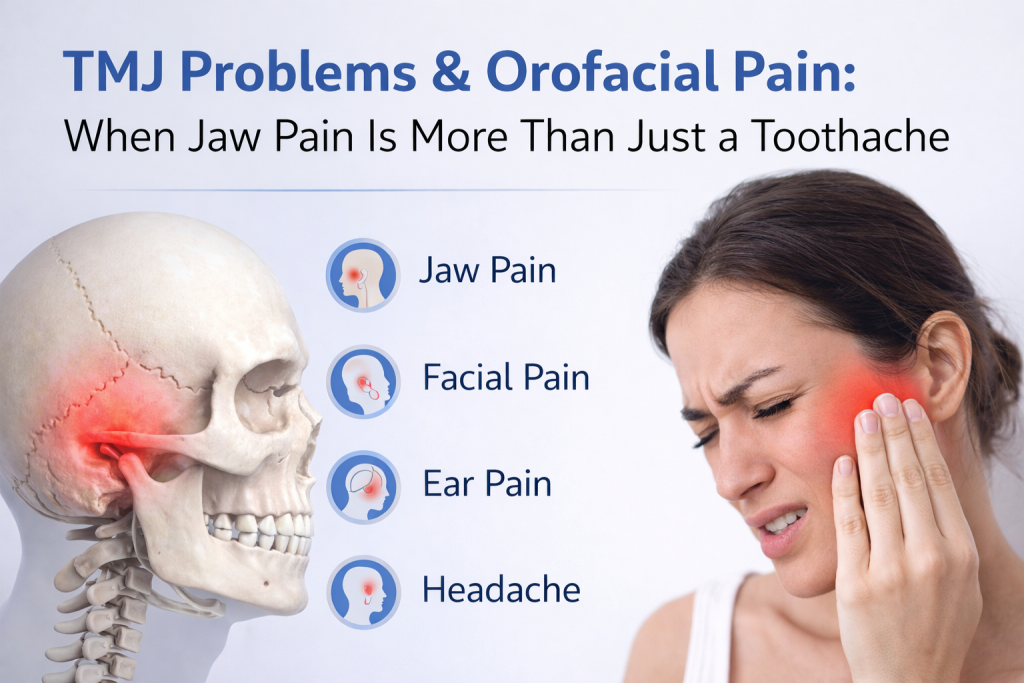
TMJ Problems & Orofacial Pain: When Jaw Pain Is More Than Just a Toothache Do you often feel pain near your ears, jaw stiffness, or difficulty while opening your mouth? These could be signs of TMJ (Temporomandibular Joint) problems, a common cause of orofacial pain that many people ignore. The TMJ is the joint that connects your jaw to your skull, helping you speak, chew, and yawn. When this joint is not functioning properly, it can lead to discomfort, clicking sounds, headaches, and even neck pain. Many patients mistake this pain for a dental issue, delaying the right treatment. At Lalitha Smile Clinic – Center for Facial Pain, TMD & Dental Sleep Apnoea, we specialize in identifying the real cause of such pain. TMJ problems can be linked to stress, teeth grinding, poor bite, or lifestyle habits. Early diagnosis is key to preventing long-term complications. The good news? Most TMJ disorders can be managed with simple, non-surgical treatments like customized splints, physiotherapy, and lifestyle guidance. If you’re experiencing persistent facial pain, don’t ignore it.Your pain has a reason — and the right diagnosis can change everything.
Oral Health and Systemic Health

Oral Health and Systemic Health Your Mouth is the Mirror of Your Body Most people believe oral health is limited to teeth and gums. But modern research tells a completely different story. Your mouth is a gateway to your overall health. At Lalitha Smile Clinic, we strongly believe that oral health is not separate—it is deeply interconnected with systemic health. Many chronic diseases silently manifest in the oral cavity before they become clinically evident elsewhere. Understanding the Oral-Systemic Link The oral cavity hosts over 700 species of microorganisms. When oral hygiene is compromised: Harmful bacteria increaseInflammation begins in gums (gingivitis → periodontitis)These bacteria and inflammatory mediators enter the bloodstream This creates a systemic inflammatory burden, affecting multiple organs. 1. Oral Health and Heart Disease Several studies have shown a strong association between gum disease (periodontitis) and cardiovascular diseases. How does this happen? Oral bacteria enter the bloodstream They attach to arterial plaques Increase risk of atherosclerosis (artery blockage)Clinical Insight : Patients with untreated periodontitis may have a higher risk of heart attacks and stroke. 2. Diabetes and Oral Health: A Two-Way Relationship Diabetes and oral health share a bidirectional relationship. In diabetic patients : Increased susceptibility to infections Poor wound healing Higher prevalence of gum diseaseIn patients with gum disease: Chronic inflammation worsens insulin resistanceMakes diabetes harder to control Treating periodontal disease can improve glycemic control. 3. Pregnancy and Oral Health Hormonal changes during pregnancy can lead to : Pregnancy gingivitis Gum bleeding Increased bacterial load Why is this important? Studies suggest a link between poor oral health and : Preterm birth Low birth weight babies Maintaining oral hygiene during pregnancy is crucial for both mother and baby 4. Oral Health and Brain Health Emerging evidence suggests connections between oral infections and: Alzheimer’s disease Cognitive decline Certain oral bacteria have been found in brain tissues, suggesting a possible role in neuroinflammation. 5. Respiratory Diseases and Oral Bacteria Poor oral hygiene can lead to aspiration of bacteria into the lungs, especially in: Elderly patients Bedridden individuals This may contribute to: Pneumonia Chronic obstructive pulmonary disease (COPD) 6. Sleep Disorders and Oral Health At Lalitha Smile Clinic, we specialize in Dental Sleep Medicine. Conditions like: Obstructive Sleep Apnoea (OSA) Sleep Bruxism are closely linked to: Cardiovascular issues Metabolic disorders Chronic fatigue Oral appliances can significantly improve sleep quality and systemic health. 7. Orofacial Pain and Systemic Conditions Chronic facial pain is often misunderstood. At our center, we evaluate: Temporomandibular Disorders (TMD) Neuropathic pain Stress-related pain conditions Many systemic conditions like: Fibromyalgia Migraine Psychological stress can manifest as orofacial pain. Warning Signs Your Mouth May Be Affecting Your Body Watch out for these symptoms: Bleeding gums Persistent bad breath Loose teeth Jaw pain or clicking Frequent mouth ulcers Dry mouth These may not be “just dental problems”—they could indicate systemic involvement. How to Protect Your Oral and Overall Health Daily Habits: Brush twice daily (proper technique matters!) Floss regularly Use antimicrobial mouthwash if advised Lifestyle Measures: Control diabetes Quit smoking Maintain a balanced diet Manage stress Professional Care: Regular dental check-ups (every 6 months) Early intervention for gum disease Screening for TMD and sleep disorders Why Choose Lalitha Smile Clinic? At Lalitha Smile Clinic, Vijayawada, we go beyond routine dentistry. Comprehensive oral-systemic evaluation Expertise in Periodontics, Implantology & Orofacial Pain Specialized care in TMD & Dental Sleep Apnoea Evidence-based, patient-centered approach We don’t just treat teeth—we treat the person as a whole. Final Takeaway A healthy smile is not just about aesthetics—it is a reflection of your overall health. Ignoring oral health can silently impact your heart, brain, lungs, and metabolic system. At Lalitha Smile Clinic, our mission is simple: “Healthy Mouth → Healthy Body → Healthy Life.”