Lalitha Smile Clinic | Best Dentist
Good oral health is not achieved by brushing and flossing alone. What we eat every day plays a major role in maintaining strong teeth, healthy gums, fresh breath, and overall oral wellness. Nutrition directly influences the development, protection, and repair of oral tissues. A balanced diet can significantly reduce the risk of dental problems such as tooth decay, gum disease, enamel erosion, mouth ulcers, and even bad breath.
In today’s fast-paced lifestyle, frequent snacking, sugary beverages, processed foods, and nutritional deficiencies have become common contributors to oral diseases. Understanding the relationship between nutrition and dental health helps individuals make smarter food choices that protect their smiles for life.
At Lalitha Smile Clinic, we strongly believe that preventive dentistry begins not only in the dental chair but also in the kitchen.
The mouth is the entry point of the digestive system, and the foods we consume constantly interact with the teeth and gums. Nutrients help maintain the integrity of oral tissues, while unhealthy dietary habits can promote bacterial growth and acid production.
On the other hand, a nutrient-rich diet strengthens the body’s natural defense mechanisms and supports oral tissue repair.
Calcium is essential for maintaining strong teeth and jaw bones. Teeth continuously lose and regain minerals through a process called demineralization and remineralization. Adequate calcium intake supports enamel strength and helps prevent tooth decay.
Vitamin D helps the body absorb calcium efficiently. Without adequate Vitamin D, even a calcium-rich diet may not effectively strengthen teeth and bones.
Vitamin C plays a major role in collagen formation and gum tissue repair. Deficiency may lead to swollen, bleeding gums and poor wound healing.
Phosphorus works together with calcium to maintain enamel strength.
Proteins are essential for tissue repair and immune function.
Water is often overlooked in dental health. Adequate hydration helps maintain saliva production, which is one of the mouth’s strongest natural defense mechanisms.
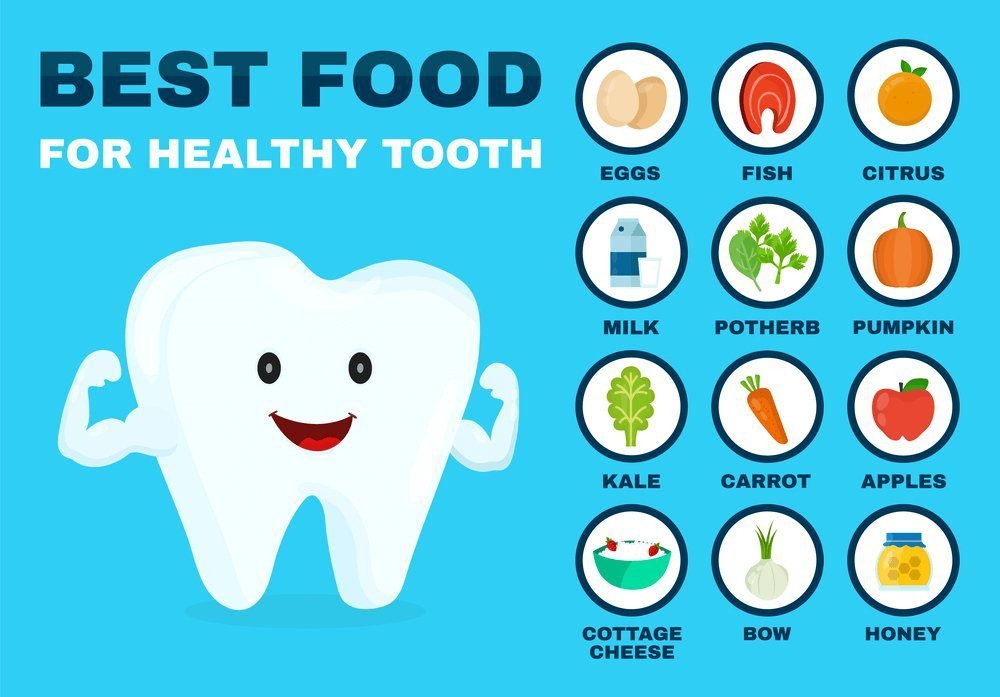
Apples, carrots, cucumbers, and celery stimulate saliva flow and help mechanically clean tooth surfaces.
Cheese, yogurt, and milk help neutralize oral acids and provide calcium and phosphorus.
Yogurt with probiotics may also support a healthier oral microbiome.
Nuts provide healthy fats, minerals, and proteins that support gum and bone health.
Almonds and sesame seeds are especially beneficial due to their calcium content.
Green tea contains antioxidants known as catechins that may reduce inflammation and bacterial growth in the mouth.
Sugar is one of the major causes of tooth decay. Oral bacteria feed on sugars and produce acids that damage enamel.
Frequent snacking on sugary foods is more harmful than occasional consumption.
Acids can erode enamel and increase tooth sensitivity.
Using a straw and rinsing with water afterward may help reduce acid exposure.
Sticky foods remain attached to tooth surfaces for longer durations, increasing cavity risk.
Gum disease is influenced not only by plaque accumulation but also by nutritional status.
A diet rich in antioxidants, vitamins, omega-3 fatty acids, and proteins may help support periodontal health.
Childhood nutrition directly affects:
Frequent bottle feeding with sweetened milk or juices during sleep may significantly increase early childhood cavities.
As people age, they may experience:
Nutritional deficiencies in elderly individuals can sometimes contribute to burning mouth symptoms, poor healing, and increased oral infections.
Nutrition affects not only the mouth but the entire body. Conditions such as diabetes, obesity, osteoporosis, anemia, and gastrointestinal disorders may influence oral health significantly.
Likewise, poor oral health can affect nutrition by causing pain during chewing, difficulty eating, and food avoidance.
This two-way relationship highlights why oral health should be considered an essential part of overall wellness.
You should consult a dentist if you experience:
Early diagnosis and preventive care can save teeth and reduce the need for complex treatments later.
At Lalitha Smile Clinic, we focus on comprehensive preventive dental care by combining modern dentistry with patient education and lifestyle guidance. Our team helps patients understand the vital role of nutrition, oral hygiene, and regular dental visits in maintaining long-term oral health.
Whether you need preventive checkups, gum care, smile correction, dental implants, aligners, or advanced orofacial pain management, our goal is to help you achieve a healthier and more confident smile.
Nutrition is one of the most powerful yet underestimated tools in preventing dental diseases. Healthy dietary choices can strengthen teeth, protect gums, improve healing, and reduce the risk of cavities and infections.
Good oral health begins with daily habits. By combining balanced nutrition with proper oral hygiene and regular dental visits, individuals can maintain healthier smiles throughout life.
If you are looking for personalized dental care and preventive guidance in Vijayawada, visit Lalitha Smile Clinic today.